
28 May What Actually Makes a Listing Stand Out in 2026?
Every seller wants their home to be the one buyers remember. But in a market where inventory is tight and buyers are scrolling through dozens of listings on their phones before they ever schedule a showing, standing out isn’t just about having a nice house. It’s about how that house is presented — and a surprising number of sellers in York and Lancaster County are still leaving real opportunity on the table.
Here’s what actually moves the needle in 2026.
The photos are doing more work than you think
This might be the single biggest lever a seller has, and it’s one of the most commonly underestimated. Buyers are making decisions about whether to schedule a showing based almost entirely on listing photos. If your photos are dark, cluttered, shot at odd angles, or taken with a phone, you are losing showings before anyone ever pulls up to the curb.
Professional real estate photography isn’t a luxury anymore — it’s the baseline expectation. That means a photographer who knows how to work with natural light, shoot wide angles without distorting the room, and sequence the images in a way that tells a story about how  the home flows. In a price range where buyers are spending three hundred thousand dollars or more, they are absolutely judging your home by the quality of its photos. A $200 to $400 photography investment can be the difference between ten showings in the first week and two.
Video walkthroughs and drone footage have also moved from “nice touch” to standard practice for a lot of listings. A short video lets buyers who are relocating from out of state — and there are plenty of those in York and Lancaster County right now — get a real feel for the home before they commit to traveling. That matters.
Pricing is a presentation decision
Sellers sometimes think of pricing as a separate conversation from presentation, but they’re deeply connected. A home that’s priced right generates urgency. Buyers who see a well-photographed, well-presented home at a competitive price move quickly because they know other buyers are watching the same listing.
A home that’s priced too high — even a little — sits. And once it sits, something shifts in how buyers perceive it. They start wondering what’s wrong with it. Days on market is visible to every buyer’s agent, and it changes the conversation at the table. Offers that come in after a listing has been sitting for three or four weeks tend to come in lower, not higher, because buyers sense leverage.
The most effective listings in 2026 are priced to create competition, not to leave room to negotiate down. That’s a different mindset than a lot of sellers start with, but agents who are doing this every day know the data backs it up.
The description has to do real work
Most listing descriptions in any market are forgettable. They list features in order — three bedrooms, two baths, updated kitchen, large backyard — without ever giving a buyer a reason to care. The best descriptions in 2026 tell a story. They help the buyer picture their life in the home. They lead with what’s genuinely distinctive and earn the reader’s attention rather than just filling space.
In York and Lancaster County specifically, buyers respond to local context. A mention that the back porch catches the evening sun, that the neighborhood is a short walk to a farmers market, that the commute to downtown York or Route 30 is genuinely easy — that’s the kind of detail that sticks. Generic listing copy doesn’t.
The first showing starts before they arrive
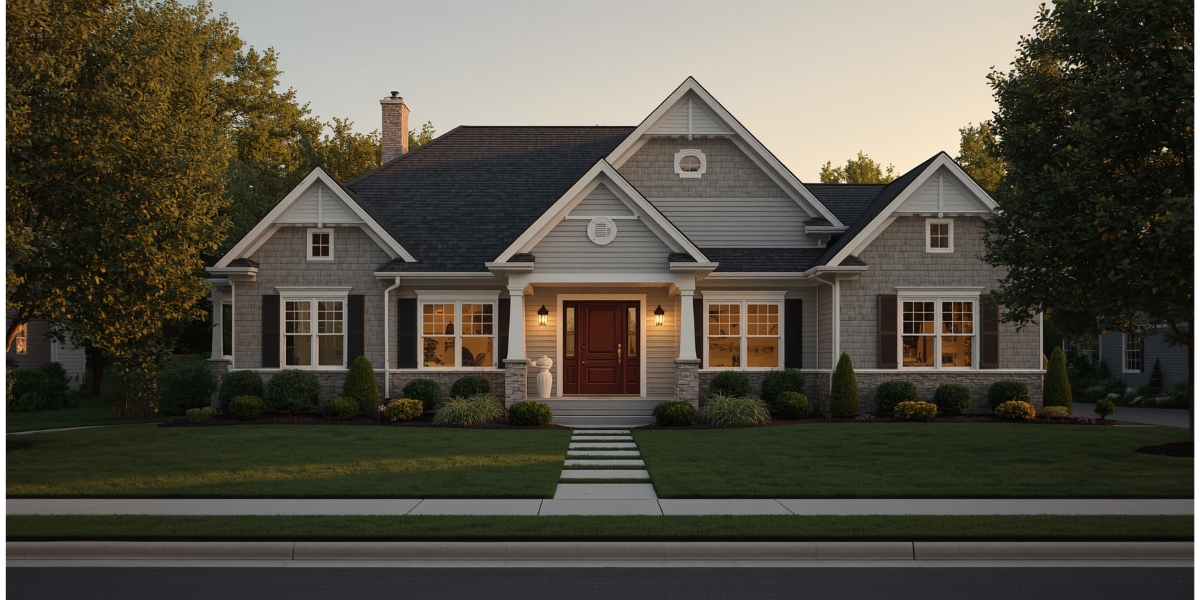
Curb appeal is not a new idea, but it’s worth saying plainly: a buyer who pulls up to your home and feels something — even something subtle, like a well-maintained front door, freshly mulched beds, a cleared walkway — has already started leaning toward yes before they walk in. A buyer who feels underwhelmed at the curb is fighting that impression the entire time they’re inside.
This doesn’t require major landscaping. It requires attention. Power-washed driveway. Trimmed shrubs. Seasonal flowers in a pot by the door. A front door that’s clean and freshly painted if needed. These are small investments that signal to buyers that the home has been cared for — and that signal carries through everything else they see.
Inside, it’s about clear and light
The interior presentation that consistently performs best is also the simplest to describe: clean, uncluttered, and bright. Buyers need to be able to see the space, not your stuff. That means decluttering aggressively — not just tidying, but actually removing furniture, personal photos, and anything that makes rooms feel smaller or more personal than they need to be.
Paint matters more than most sellers expect. A fresh coat of neutral interior paint is one of the highest-return improvements you can make before listing. It makes everything look newer, cleaner, and better photographed. And light matters — open blinds, replace dim bulbs, and make sure every room feels as bright as it can be for photos and showings.

One thing sellers in this market often overlook
In York and Lancaster County right now, buyers have options — not a flood of them, but enough that a home that feels slightly off in its presentation gets passed over in favor of one that feels move-in ready. Sellers sometimes assume that tight inventory means they don’t need to try as hard. That’s the wrong read. Tight inventory means serious buyers are making faster decisions, and those decisions are heavily influenced by first impressions.
The homes that generate multiple offers and go over asking aren’t just the nicest homes — they’re the homes that were presented the most intentionally.
Every home has something worth highlighting. If you’re thinking about listing and want an honest conversation about what your specific home needs to stand out in this market, we’re always happy to walk through it with you — no pressure, just a straightforward look at what the data says buyers are responding to right now.
— Susan and Kurt
No Comments