

You’re Under Contract — Now What?
Congratulations — your offer was accepted! This is a major milestone, but the journey isn’t quite over. The period between contract acceptance and closing is one of the most detail-intensive phases of the home purchase, and it’s where having an experienced REALTOR® by your side makes the biggest difference.
We’re Susan & Kurt Johnston, REALTORS® with Iron Valley Real Estate of York County. During this phase, three major things happen simultaneously:
- Your lender processes your loan and orders the appraisal
- You conduct your home inspection(s)
- Title and escrow work gets underway
We actively manage every piece of this process on your behalf — coordinating with your lender, tracking deadlines, and keeping you informed at every step. Here’s what you need to know.
Understanding Escrow
In Pennsylvania, escrow refers to the period between an accepted offer and final closing when funds, documents, and contract conditions are being fulfilled. A neutral third party — typically a title company or settlement attorney — manages the process to ensure all conditions of the sale are met before ownership transfers.
During this period:
- Your earnest money deposit is held in escrow
- Your lender orders the appraisal
- Your title company conducts a title search
- Your inspector(s) examine the property
- Any agreed-upon repairs or credits are negotiated and documented
- Final mortgage approval (“clear to close”) is issued
The Home Inspection: Your Best Investment in Peace of Mind
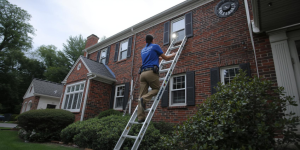
A home inspection is not required to purchase a home — but we strongly recommend it for virtually every buyer on virtually every home. An inspection is not a pass/fail test on the house; it’s a comprehensive examination of the home’s systems and components so you know exactly what you’re buying.
What a Standard Home Inspection Covers
| Area | What’s Examined |
|---|---|
| Roof | Shingles, flashing, gutters, chimney, skylights |
| Foundation & Structure | Visible foundation walls, framing, structural components |
| Grading & Drainage | Water direction around the home, potential intrusion points |
| Exterior | Siding, windows, doors, decks, walkways, driveway |
| Attic | Insulation, ventilation, rafters, signs of moisture or pest damage |
| Electrical | Panel, wiring type, outlets, GFCIs, smoke/CO detectors |
| Plumbing | Supply lines, drains, water heater, fixtures |
| HVAC | Heating system, cooling system, ductwork, filters |
| Interior | Walls, ceilings, floors, stairs, doors, windows |
| Basement / Crawl Space | Moisture signs, structural elements, mechanicals |
| Fireplace | Firebox, damper, flue condition (visual inspection) |
Additional Inspections to Consider
A standard inspection does not cover the following. These require specialists, and we recommend them in the appropriate situations:
-
-
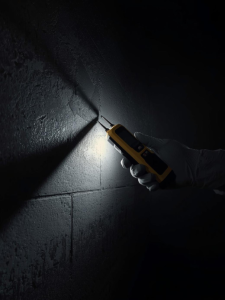
- Radon gas testing — We recommend this for nearly all Pennsylvania purchases
- Well water quality testing — Required if the home has a private well
- Septic system inspection — Required if the home has a private septic system
- WDO inspection (Wood Destroying Organisms / termite) — Recommended on older homes
- Oil tank inspection / sweep — Important for homes built before 1990
- Chimney inspection — By a CSIA-certified sweep if you plan to use the fireplace
- Mold testing — If visible mold or significant moisture concerns are present
- Radon gas testing — We recommend this for nearly all Pennsylvania purchases
-
From Susan: “We always recommend radon testing in our area. Pennsylvania has elevated radon levels in many parts of York and Lancaster Counties. A radon test adds roughly $150–$200 to your inspection cost and can identify whether mitigation is needed — a straightforward fix typically costing $800–$1,500. It’s absolutely worth knowing before you close.”
Typical Inspection Costs in Our Area
| Inspection Type | Typical Cost Range | Notes |
|---|---|---|
| Standard Home Inspection | $350 – $600 | Varies by home size and age |
| Radon Test | $125 – $200 | Highly recommended in PA; can run simultaneously with inspection |
| Well Water Test | $150 – $300+ | Required for homes on private wells |
| Septic Inspection | $250 – $600+ | Varies significantly by system type |
| WDO / Termite Inspection | $75 – $150 | Termites, carpenter ants, wood borers |
| Chimney Inspection | $150 – $300 | CSIA-certified inspector recommended |
| Oil Tank Sweep | $150 – $400 | Important for homes built pre-1990 |
Costs are approximate and subject to change. We’ll connect you with our trusted, vetted inspection partners in York and Lancaster Counties.
After the Inspection: Your Options
Once the inspection report is in hand, you’ll have a clear picture of the home’s condition. You generally have three paths:
-
-
- Proceed as-is. If the report reveals only routine maintenance items and no significant concerns, you may choose to move forward without requesting any changes.
- Request repairs or credits. If significant issues are found, we’ll help you craft a strategic repair request or ask for a price reduction or closing credit. Not every finding warrants negotiation — we’ll help you prioritize what truly matters.
- Exercise your inspection contingency. If the home has serious, unexpected problems that change your view of the purchase, your inspection contingency allows you to withdraw from the contract and typically recover your earnest money deposit.
-
A word of perspective: Not everything in an inspection report is a deal-breaker, and not everything can or should be negotiated. Our job is to give you context alongside the facts so you can make a clear-headed decision that serves your best interests.
The Appraisal: Protecting You and Your Lender
If you’re financing your purchase, your lender will order an appraisal. An appraisal is an independent, licensed professional’s estimate of the home’s market value — and it protects both you and the lender from overpaying.
How the Appraisal Process Works
-
-
- Your lender orders the appraisal through an independent Appraisal Management Company (AMC)
- A licensed PA-certified appraiser visits the property and examines its condition, features, and location
- The appraiser compares the home to recently sold comparable properties (“comps”) in the area
- A formal written report is produced, typically within 5–10 business days
-
What if the Home Appraises Below the Offer Price?
This is called an appraisal gap. If the appraised value comes in lower than your offer, here are your options:
| Option | What It Means |
|---|---|
| Renegotiate the price | Ask the seller to reduce the price to the appraised value |
| Pay the difference in cash | Cover the gap between appraised value and offer price out of pocket |
| Split the difference | Negotiate a partial price reduction with partial cash contribution |
| Exercise the appraisal contingency | Withdraw from the contract if this contingency was included |
| Challenge the appraisal | Request reconsideration of value with additional comps — sometimes effective |
Title Search & Title Insurance
While inspections and appraisals are happening, your title company is conducting a thorough search of public records to confirm the seller has clear legal ownership, there are no liens or judgments on the property, and there are no easements or covenants that would affect your use of it.
Title Insurance protects you against issues that weren’t discovered during the search — a previous owner’s unpaid debt, a forged deed, or a clerical error in public records. There are two types:
| Type | Who It Protects | Required? |
|---|---|---|
| Lender’s Title Insurance | Your mortgage lender | Required by virtually all lenders |
| Owner’s Title Insurance | You, the buyer | Optional in PA — but strongly recommended. One-time fee at closing. |
The Path to “Clear to Close”
| Timeframe | Milestone |
|---|---|
| Days 1–3 | Earnest money deposited; inspection(s) scheduled |
| Days 3–10 | Home inspection(s) completed; report received |
| Days 7–10 | Inspection negotiation completed (if applicable) |
| Days 5–15 | Appraisal ordered and completed |
| Days 7–21 | Lender processes loan; title search underway |
| Days 14–30 | Mortgage commitment / conditional approval issued |
| Days 25–35 | Final conditions cleared; “Clear to Close” issued |
| Closing Day | Final walkthrough → Settlement → Keys! |
Timelines vary by transaction complexity, lender, and contract terms. Your Agreement of Sale will specify all key deadlines.
Frequently Asked Questions
Do I need to be present for the home inspection?
We strongly recommend it. Walking through the home with your inspector — asking questions and seeing issues firsthand — gives you far more understanding than reading a report alone. Plan for 2–4 hours depending on the home’s size and age.
What if the seller won’t make any repairs?
That’s the seller’s right. Our job is to help you decide whether the home still makes sense at the agreed price given what you now know — and to negotiate strategically on your behalf. Sometimes the answer is a price reduction; sometimes the right call is to exercise your contingency.
Can I use any inspector I want?
Yes. While we have trusted inspector partners we’re happy to recommend, the choice of inspector is entirely yours. We ask only that you use a licensed Pennsylvania home inspector.
How long does the inspection contingency window last in PA?
Typically 10–15 days from the contract date, as specified in the Agreement of Sale. We’ll make sure you understand every deadline clearly before anything is signed.
What happens at the final walkthrough?
Shortly before closing (typically 24–48 hours prior), you’ll walk through the home to confirm it’s in the same condition as when you made your offer, agreed-upon repairs have been completed, and the sellers have vacated. We’ll be there with you.